Return to the Camps

I recently returned to the Rohingya refugee camps where an estimated 1.1 million people are still trapped on the Bangladesh/Myanmar border. It is the largest refugee camp complex in the world. The vast majority are women and children, survivors of the ethno-religious genocide to which their entire community was subjected in Myanmar.
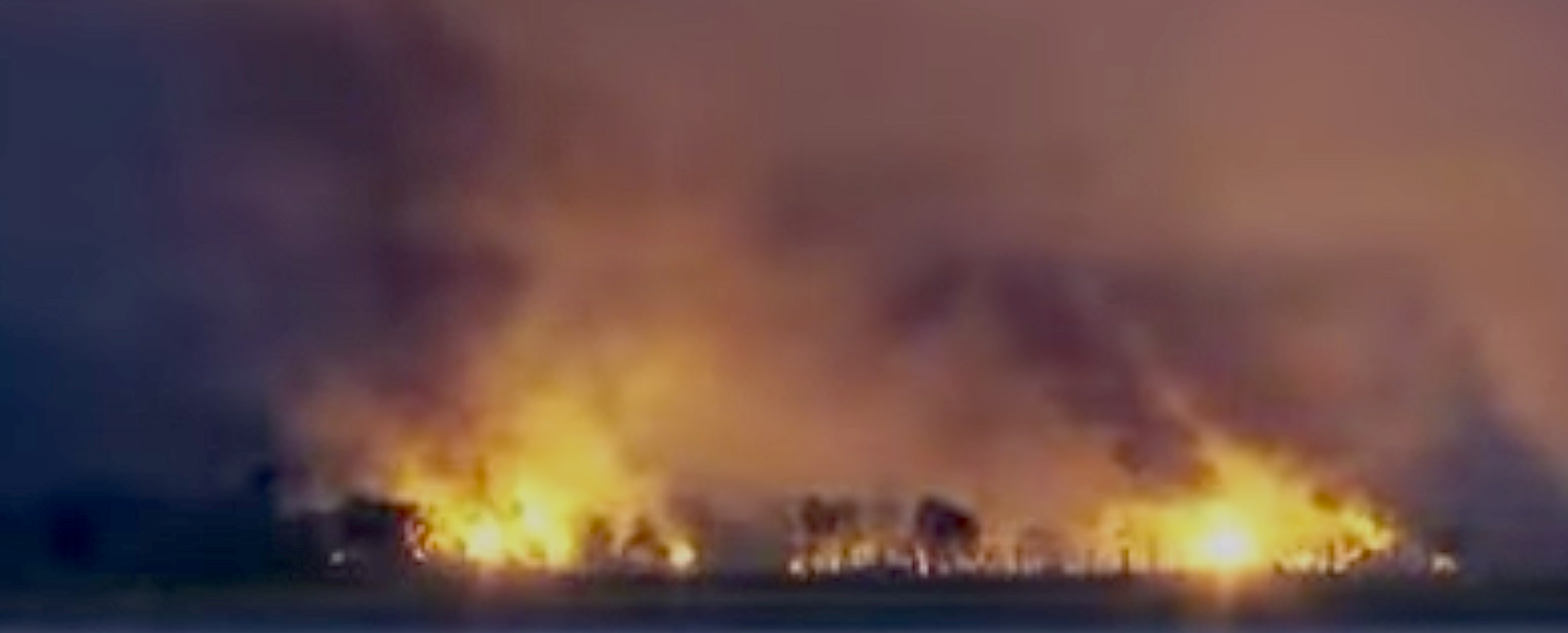
The world watched in horror as hundreds of thousands of Rohingya fled their burning villages and murderous attacks and crossed into Bangladesh seeking safety.

I was last there in 2018 as part of a high-level interfaith delegation, described in EYEWITNESS ROHINGYA on this website.

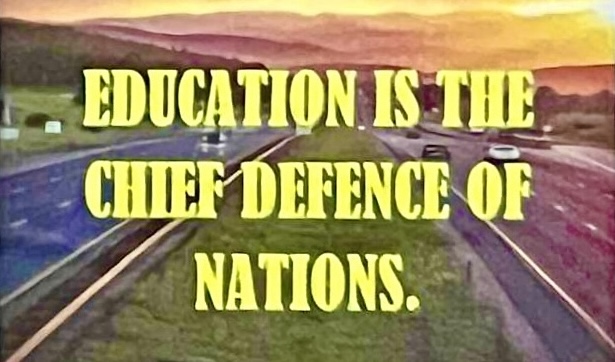
On this trip I was deeply moved by visiting a number of the learning centres that the Rohingya people have been able to create for their young people. My heart was particularly touched by the sign in one of the makeshift classrooms that said, “Education is the Chief Defence of Nations”.
The need to provide a comprehensive program of education for the estimated 500,000 young people in the camps was the principal focus of this visit. It was organized by “Justice for All”, whose insightful Chair, Imam Malik Mujahid, led our six-person mission.

At the end of the visit, we released our report, Rohingya Education: Saving the Third Generation at a news conference in the capital Dhaka.
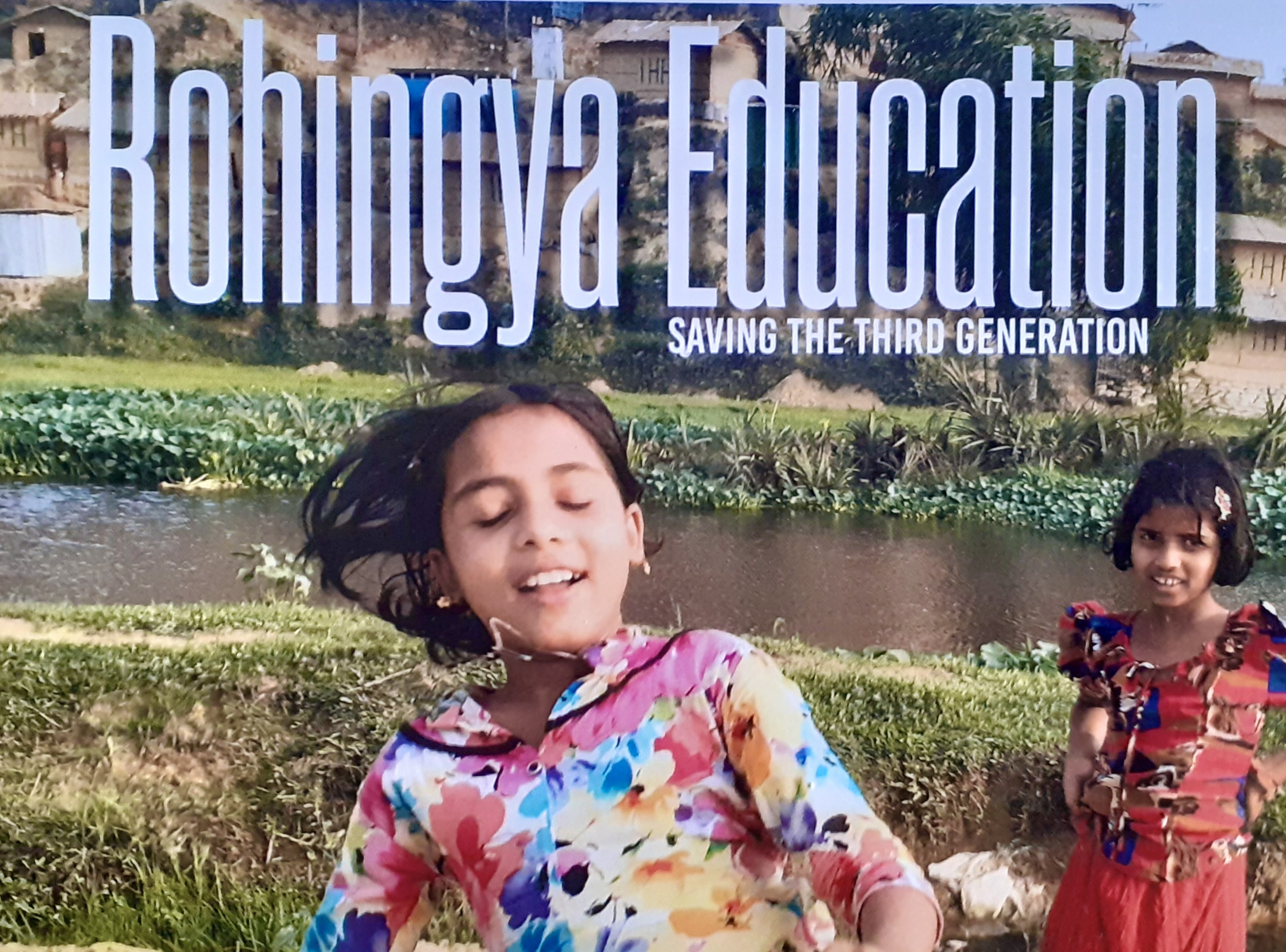
The report calls for a coherent framework for Rohingya education. This will be vital for raising the funds needed and resolving outstanding issues of educational methods and content – as identified in our research. We highlighted the following steps that need to be taken:

a. Strengthening the high school education of Rohingya students in the camps.
b. Allowing Rohingya students to pursue higher education in Bangladeshi universities.
c. Providing an exit pass to those who acquire a scholarship abroad for higher education.

This approach is very much in line with the findings of the United Nations Refugee Agency – the United Nations High Commissioner for Refugees (UNHCR). It is the world’s foremost organization protecting refugees. The agency’s 2025 Education Report states:

Education offers a stable and safe environment for displaced children, helps people to rebuild their communities, and pursue productive, meaningful lives.

Nations are investing more in war than in education, health and peace

Our findings come at a time when nations around the world are investing more in weapons and preparation for war that they are in education, health and peace.

The United Nations made this clear it its recent report, The Security We Need: Rebalancing Military Spending for a Sustainable and Peaceful Future.

With military spending soaring to a record $2.7 trillion following a decade-long military build-up, the UN Secretary General says this is reducing essential investments in health and education and does not guarantee peace.
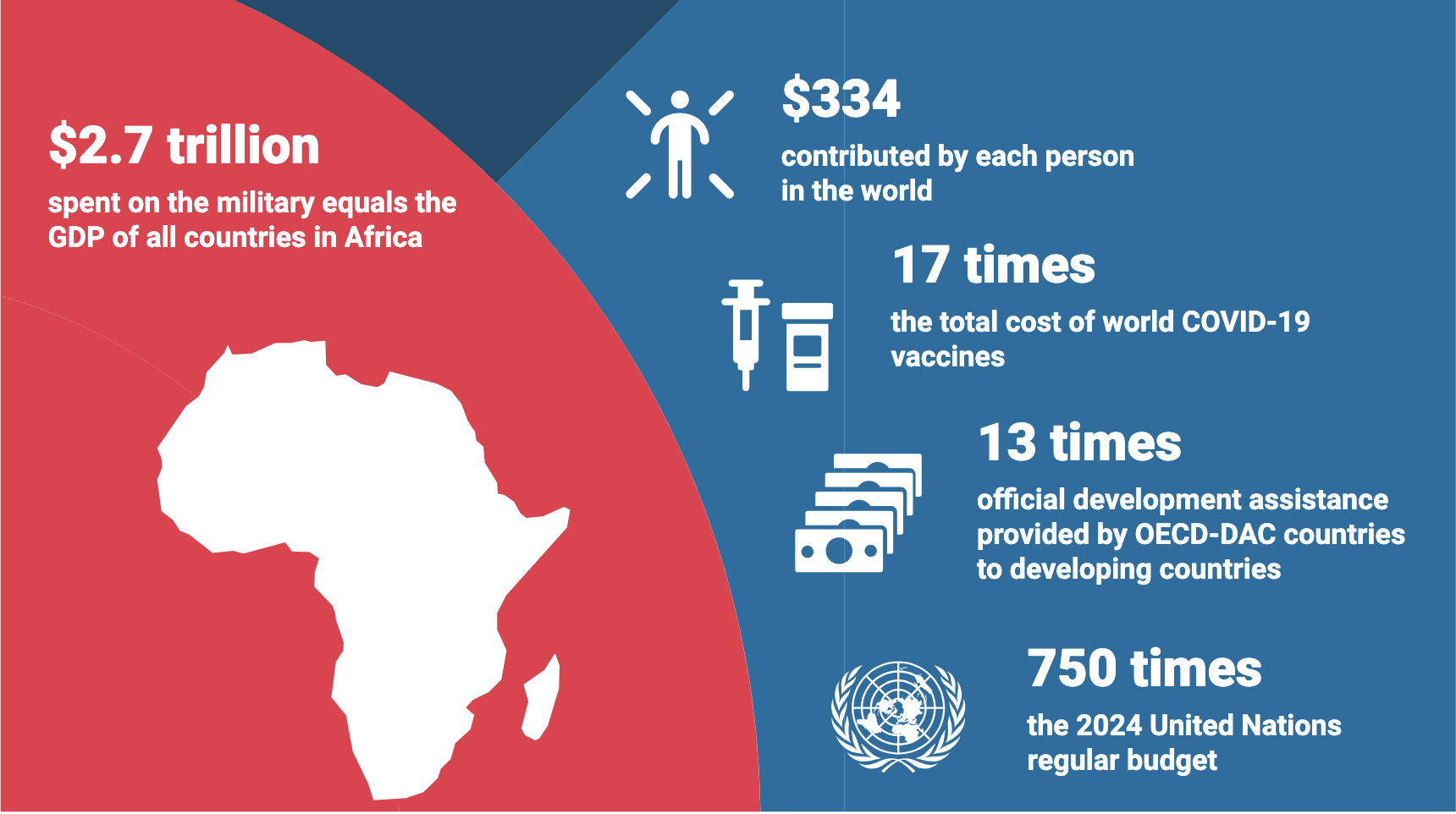
One of the report’s many charts graphically shows the contrast between what the world spends on armaments in comparison to what is spent on vaccines, development assistance and the entire budget of the United Nations.

This is the reality at a time when there are more active armed conflicts in the world than at any time since the end of the Second World War. The Rohingya people are, sadly, not alone in being the victims of genocide, and the country that they were forced to flee is being torn apart by armed conflict.

What we are witnessing around the world – in countries north, south, east and west – is that people’s minds are being poisoned by a rising tide of hatred. We see this even in the world’s entertainment. Movies and social media are feeding an emotional tidal wave of conflict and violence.

Therefore, in these difficult times, it is all the more important that young minds should be well educated. That is essential if we are to turn back the rising tide of hatred and armed conflict, and create a good human society of peace and respect for all people. Families, teachers and spiritual leaders need to work together to change the course of history.

This means that, in addition to the traditional disciplines of academic education, young minds need to be trained to cultivate understanding where there is confusion and conflict, to support mutual respect where there is hatred and division, and bring peace where there is violence, terror and war.

Making it happen

One of the striking features of the “Justice for All” report was that many mothers who were interviewed expressed a strong preference for community-led schools. Many of these parents spoke about the confidence they had in their community’s own schools to educate their children effectively. One of the teachers interviewed said: “the Rohingya teacher always cares for the development of the young generation.”
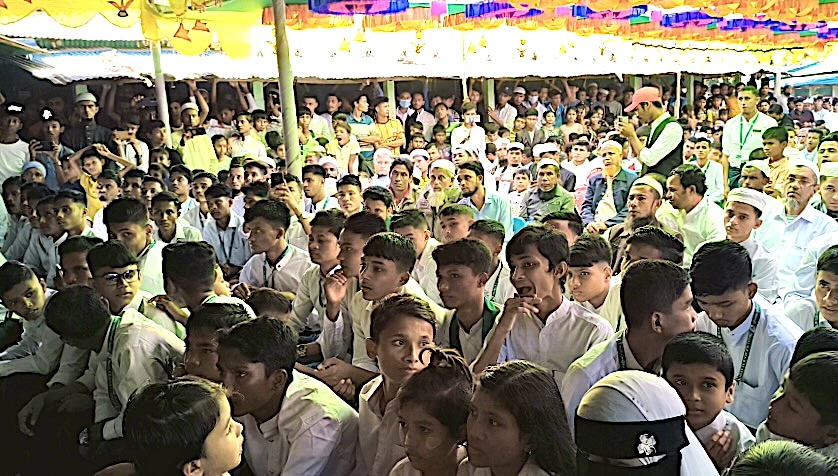
We met a number of the Rohingya teachers in the camps, as well as non-governmental organizations (NGOs) such as the Illiteracy and Poverty Alleviation Assistance Organization (IPAO) and several major international bodies, including UNICEF (the United Nations Children’s Fund) and Save the Children who are also providing humanitarian aid.

I have continued to stay in touch with a number of the people we talked to. What they are accomplishing is a moving testament to the power of human resilience in the face of unimaginable hardship.

A month after we visited, one of the community education projects in the camps held a Prize Awarding Ceremony for the academic year 2024-2025. I gave personal support to the project and sent them a letter of congratulations. They sent me heart-warming videos and photos from the event.
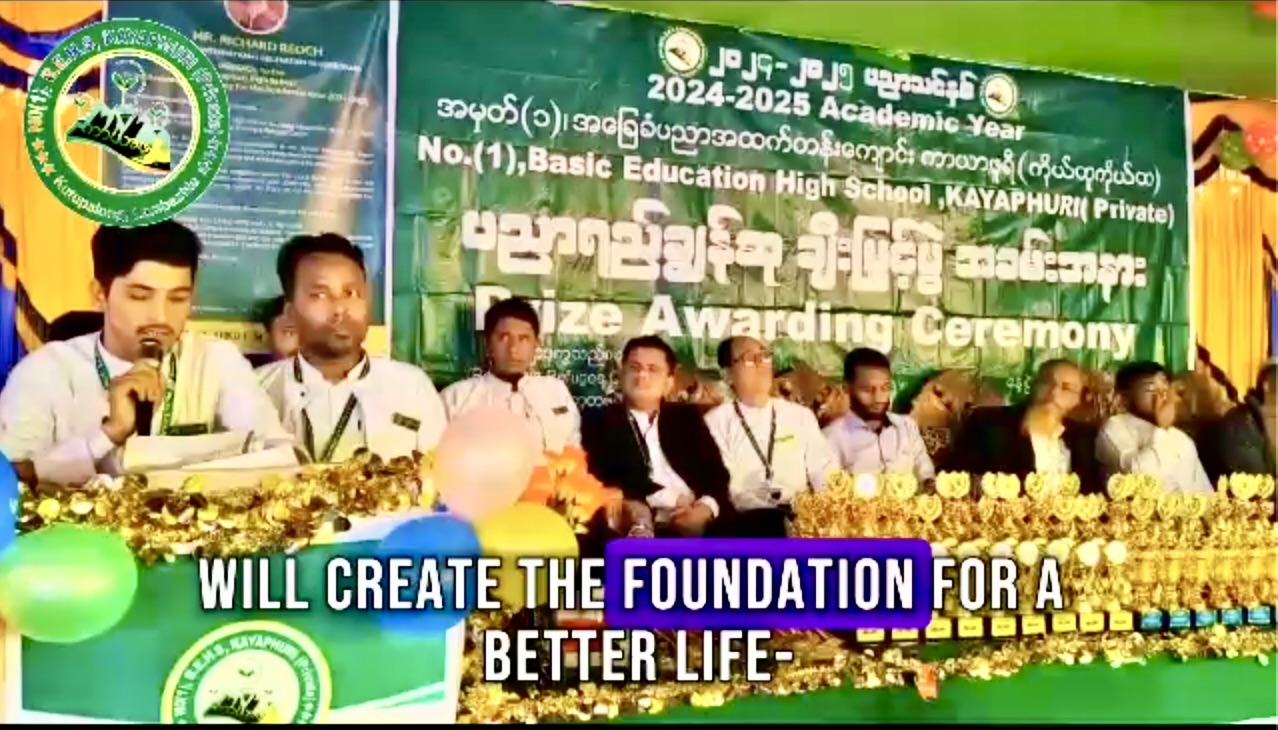
This subtitled video shows some of the many students and their families who gathered together for this huge event. You can see some of the young women and girls in the front row, behind them the boys and, beyond the students, their families.

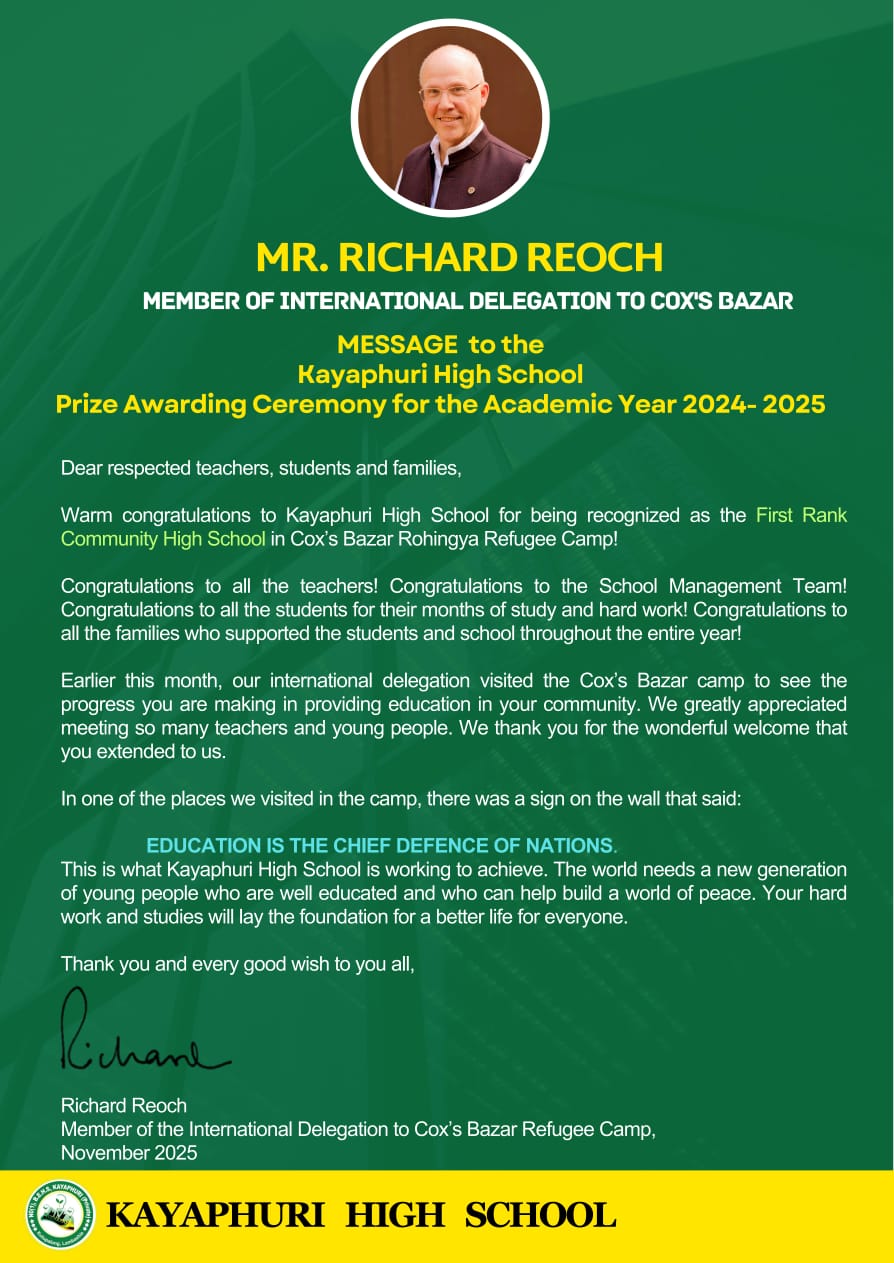
Much to my amazement, a letter I had written in support of their event was reproduced as a full-size poster and displayed as part of the backdrop on the main stage (you can view it being read out to everyone at the event by one of the teachers in the video above):
UN Declares World Meditation Day

The United Nations General Assembly has unanimously voted to establish an annual ”World Meditation Day”.

The UN General Assembly, in a resolution adopted on 6 December 2024, affirmed that “the benefits of meditation would be beneficial for the health and well-being of people around the world.”

In a rare unanimous decision, the UN General Assembly voted to establish World Meditation Day. The resolution acknowledged “the universality of meditation, practiced in all regions of the world” and said meditation was in line with the target of “promoting mental health and well-being” as part of the 2030 Agenda for Sustainable Development.

Global Cooperation

In a testament to the worldwide spread of meditation practice, countries from four continents worked together to propose the resolution.

These ground-breaking initiatives were the result of many months of global cooperation. One of the international groups that played a leading role was the International Network of Engaged Buddhists (INEB). The network has members in more than 25 countries. One of its leading members, The Venerable Miao Hai, was among the key sponsors. The coordinating team was in touch with the UN Secretary General and with governments and institutions in a wide range of countries, spanning the world’s cultures and spiritual traditions.

They set up the World Meditation Foundation to raise support for the idea of World Meditation Day. Its goals include “promoting a meditative lifestyle globally”, “enhancing mutual understanding and respect among diverse faiths” and creating “a world of multicultural coexistence and harmonious development.”

Key to this success was global cooperation which included a petition to the United Nations. Ven. Miao Hai Ven is seen here at an event in Chiang Mai, Thailand. The organizers reached out across the world’s cultural and religious traditions, holding meetings and collecting signatures in diverse locations including Uzbekistan, Vatican City, Shanghai, Lichtenstein and the World Future Energy Summit in the United Arab Emirates.

Worldwide Events

The first World Meditation Day was on Saturday 21 December, 2024. Events to mark the occasion – and practice meditation – took place worldwide.

Global gatherings included meditation practice at UN headquarters in New York, an open-air meditation event in Nepal’s capital Kathmandu, and an online global mindfulness practice with people from 26 nations taking part.

The United Nations invited Indian meditation master, Sri Sri Ravi Shankar, to lead an event titled ‘Meditation for Global Peace and Harmony’. “Today, meditation is not a luxury but a necessity,” he said. More that 600 people took part in the gathering at the Trusteeship Council in New York. General Assembly President Philemon Yang said, “Meditation transcends borders, faiths, traditions, and time, offering each of us the opportunity to pause, to listen, and to connect with our inner selves.”
Hundreds gathered in an open-air meditation in Kathmandu together with Prime Minister KP Sharma Oli. Speaking at the gathering, Swami Anand Arun said it was in their country, with a long history of spiritual traditions, that meditation had originated. “The adoption of this resolution marks a significant step in the global recognition of meditation’s transformative power,” said MSN News Nepal.

Global mindfulness practice

The worldwide online practice session was organized by “The Mindfulness Initiative”, a charity that gives mindfulness training to members of the UK Parliament and civil service. It also supports cooperation among similar mindfulness programs in other countries’ national legislatures.

The one-hour global mindfulness practice was recorded and is now available online.

At the outset of the global practice, Maria Arizaga of a UN Wellbeing Unit said the resolution was “particularly significant”. “The overwhelming support received from all regions of the world, really reflects the unifying power of meditation as a universal practice.” she said.

Maria Arizaga of the Wellbeing Unit of the United Nations Office of the High Commissioner for Human Rights emphasized the importance of the UN resolution as “global recognition of the importance of meditation as an essential tool to promote mental and emotional well-being.” She said World Meditation Day was not about dedicating one day a year to this practice. “It is really about promoting meditation as a tool that can, and should be, incorporated into our lives every single day. It recognizes meditation as a universal practice that really goes beyond borders, cultures and traditions.”

Our world faces “unprecedented challenges”

The world’s most senior human rights official recorded a message especially for the occasion. United Nations High Commissioner for Human Rights, Volker Turk, said, ”Meditation is more than just a personal practice. It is a universal and time-honoured approach to fostering resilience and promoting well-being.”

“At a time when our world faces unprecedented challenges,” he said, “meditation help us manage stress, improve focus, and foster mutual understanding. It strengthens our ability to navigate complex and often tense environments with clarity and empathy, reinforcing our capacity to promote human rights in meaningful ways.”

In a specially recorded message, the world’s most senior human rights official spoke of the relevance of meditation during this time of “unprecedented challenges”. The United Nations High Commissioner for Human Rights, Volker Turk, said “meditation helps us manage stress, improve focus and foster mutual understanding.”

He said the values underpinning meditation are “fundamental to compassionate human rights advocacy, and effective diplomacy. On World Meditation Day, I invite everyone to embrace meditation to help keep us centred amid challenges, and to listen with openness, to help us better advance human rights for all.”

World media coverage

Media worldwide picked up the historic story. Coverage in countries like India, one of the resolution’s co-sponsors, was extensive. “From Times Square in New York to the European Parliament in Brussels and embassies in Malaysia,” said the Indian Express, “meditation has guided humanity toward inner peace and resilience for millennia.”

Resolution widely welcomed

The General Assembly resolution and the first World Meditation Day have been widely welcomed. “The UN’s establishment of a World Meditation Day is wonderful news for the global meditation movement. The more people embrace meditation and other contemplative and body-mind practices, the more peace and justice we will have in the world,” said Dr Fleet Maull, founder and director of the Heart Mind Institute. The institute will be hosting an Art of Meditation Summit, 11 – 17 March, 2025. Each day of the summit will be focused on a different tradition: Vipassana, Zen, Tibetan, Vedic, Abrahamic, Nondual, Mainstream Mindfulness & Self-Compassion, and Neuroscience-Based & the Science of Meditation.

The next World Meditation Day will be on Sunday 21 December 2025. The day will always be observed on the 21st of that month, which coincides with the Winter Solstice in many parts of the world and is considered sacred in many of the world’s spiritual traditions.

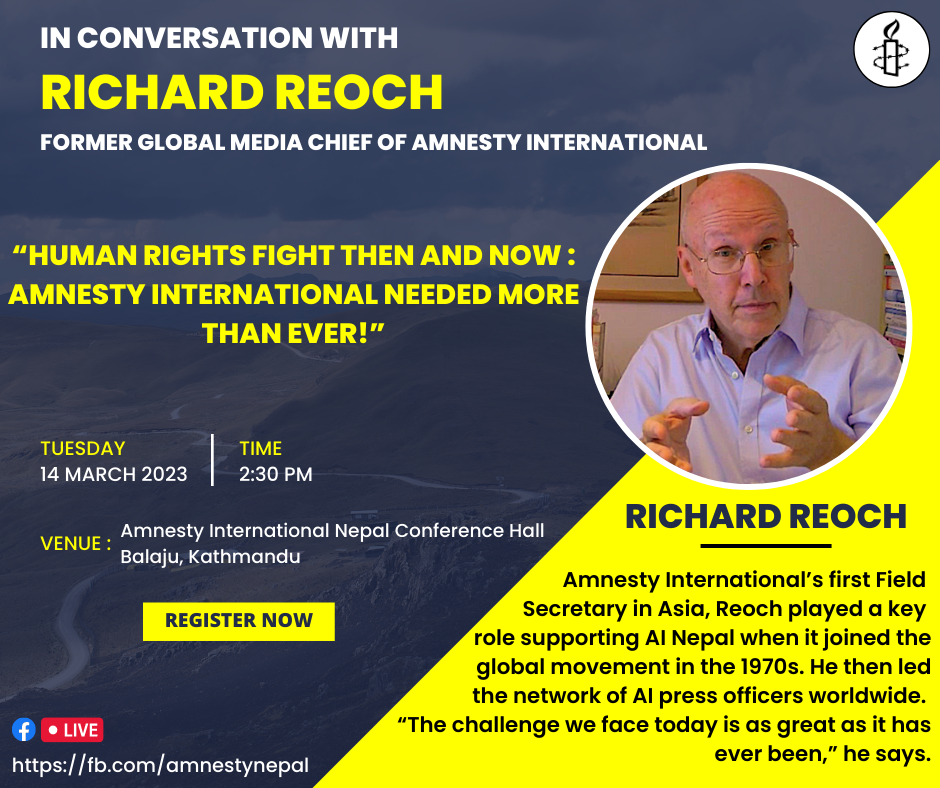
A Himalayan Gathering: The global vision of human rights

Attendees of the gathering in Nepal, seated and standing around a conference table with Richard Reoch and Jane Ward in the centre of the group
This historic gathering in Kathmandu brought together generations of human rights activists from across Nepal and the world

The opening words of the Universal Declaration of Human Rights are as true today – and as urgently needed – as they were when they were adopted by the General Assembly of the United Nations in 1948: “Recognition of the inherent dignity and of the equal and inalienable rights of all members of the human family is the foundation of freedom, justice and peace in the world.”

The same can be said for Amnesty International, the global people’s movement for human rights. It now has more than ten million people in 150 countries. The challenge it faces today is as great as it has ever been.

These were the recurring themes of a Himalayan gathering (pictured above) that took place in early March 2023 at the headquarters of Amnesty International Nepal – a nationwide network of more than 7,000 activists right across the country’s provinces. The gathering was convened by and presided over by Amnesty International Nepal’s current dynamic director, Nirajan Thapaliya.

Amnesty International Nepal has made the recording of the full event, which includes a discussion of the challenges facing the country now, available here.

Universality and non-discrimination

Universality and non-discrimination were key themes in the meeting. The gathering was convened to examine some long-standing issues in the development of Amnesty International in countries like Nepal and to assess the challenges being faced by human rights activists around the world at the present time.

It is sometimes argued that the idea of “human rights” is a western concept. In fact, the drafting of the Universal Declaration was a deliberately international, cross-cultural project from the beginning. It involved people from all continents, different cultures and political systems. The extensive international consultation included eminent figures such as Mahatma Gandhi.

Two South Asian women played a key role. Hansa Mehta of India was widely credited with changing the phrase “all men are born free and equal” to “all human beings are born free and equal”. Lakshmi Menon, who later became the chair of Amnesty International in India, argued for the principle of non-discrimination. She succeeded in getting the phrase “the equal rights of men and women” into the preamble and the “universality” of rights respected in in the declaration as a whole.

Examining the past, assessing the future

A special feature of the gathering was the presence of the founder of Amnesty International Nepal, Nutan Thapaliya. He is seen here greeting Richard on his arrival at the Amnesty International headquarters in Kathmandu.

On his arrival at the headquarters in Kathmandu, Richard pays respect to Nutan Thapaliya, the founder of Amnesty International in Nepal

Now 94 years of age, Nutan was the lawyer who was instrumental in establishing the organization in Nepal in 1969. He worked closely with Richard who, in the early 1970s, was the organization’s Field Secretary in Asia. Also present at the welcoming, and seen in the photo, was Dhruba Kumar Karki, former Chairperson of Amnesty International Nepal (2006-2008).

It was an opportunity to look backward to an eventful past when Amnesty International Nepal was just getting underway and to look forward to new developments and threats in today’s world.

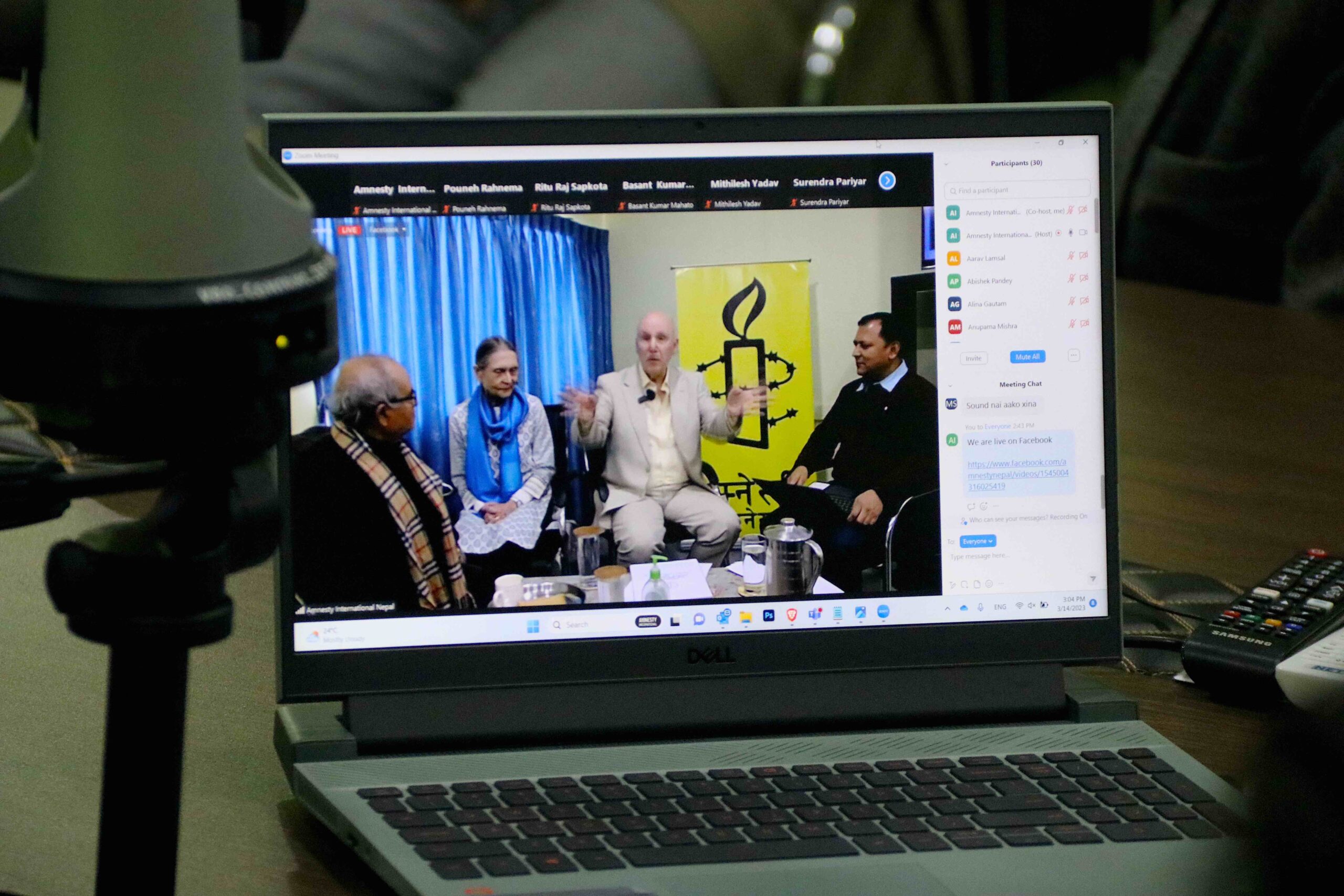
Image of a laptop screen, where the live online call can be seen onscreen.
People could join the online event live on Facebook

The entire event was a hybrid in-person and on-line gathering, with people joining not only from different regions in Nepal, but also from countries ranging from the UK and Denmark to Iran.

South Asian voices for human rights

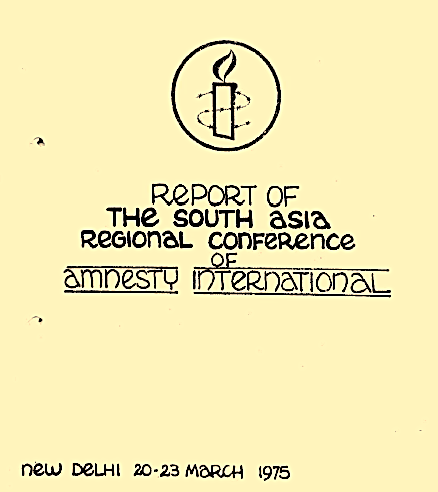
Of particular interest was the opportunity to review the original report of the South Asia Regional Conference of Amnesty International, held in New Delhi, 20 -23 March 1975. The conference, which was jointly convened by Amnesty International leaders in South Asia, was attended by four delegates from Nepal, eight from India (including Lakshmi Menon), four from Bangladesh, three from Pakistan, and two from Sri Lanka, as well as the Chair of Amnesty’s International Executive Committee and the organization’s Secretary General.

“This was a historic conference,“ said Director Nirajan Thapaliya, “the first of its kind in South Asia. I was still not born then! But we will carry on in this spirit. We will carry the flame!”

The report pointed out that, in the countries of the region, “the common features of wide- spread poverty, hunger, disease, unemployment, illiteracy and inadequate communication facilities tend to result in political conditions where few or no fundamental freedoms are guaranteed and where organizations which are or appear to be politically active may be banned or at risk.”

“In this context,” it said, “Amnesty International must concern itself with the long-range need to cultivate respect for human rights and to awaken people to the possibilities and the need to protect and defend victims of human rights violations.”

The delegates called for a different organizational model: working through networks and cooperating with other effective organizations. Richard pointed out that this is exactly what Amnesty International Nepal is doing, such as with its recent Social Justice conference. “There is tremendous strength and outreach in this collaborative approach,’ he said.

The conference delegates stressed the importance of Human Rights Education at all levels of society. “In the face of repression and brutality people think that is the norm – because that is what they have been subjected to all their lives, for generations. Instead they need to understand that human rights are the birthright of every single human being.”

There was a recognition of the need to move beyond being an English-speaking elite. Much more material needed to be translated into local languages, said the delegates. An information hub was needed in the region itself. So the first outpost of Amnesty International outside Europe – the South Asia Publications Service – was established in Colombo, Sri Lanka.

Courage, determination and discernment

Working for human rights anywhere in the world takes courage, determination and discernment. “This is the spirit we have to have,” Richard told the participants. “We can have all kinds of troubles. It is not a question of whether we succeed today or fail today. What matters is that we have a serious vision of how society – our human family – takes the next step in its journey to begin expressing and implementing the vision of the Universal Declaration of Human Rights.”

“This is not easy work,” he said. “It is the work of generations. Things go up and down, but we need to be very clear about the goal.”

Human rights defender Nutan Thapaliya

The brave founders of Amnesty International Nepal faced many challenges more than 50 years ago. Richard spoke fondly of his work with Nutan Thapaliya and described how they would go together to Kathmandu Central Jail. “Thanks to his standing as a lawyer,” Richard said, “Nutan would be able to get the guards to bring the political prisoners to the barred gateway of the prison to meet me.” He said it was thanks to Nutan and all the courageous lawyers and other human rights defenders in the country that they were able to assemble, painstakingly, possibly the most comprehensive details on the hundreds of political prisoners held in the country at that time, and get it out of the country to Amnesty’s International Secretariat in London.

Shot dead by British Prime Minister Margaret Thatcher

As the organization’s global media chief, Reoch was often on the frontline in controversies where Amnesty International was outspoken. In 1988, when Amnesty called for an independent inquiry into the shooting of three Irish Republican Army (IRA) members in Gibraltar, The Guardian cartoonist pictured him being personally shot dead by Prime Minister Margaret Thatcher.

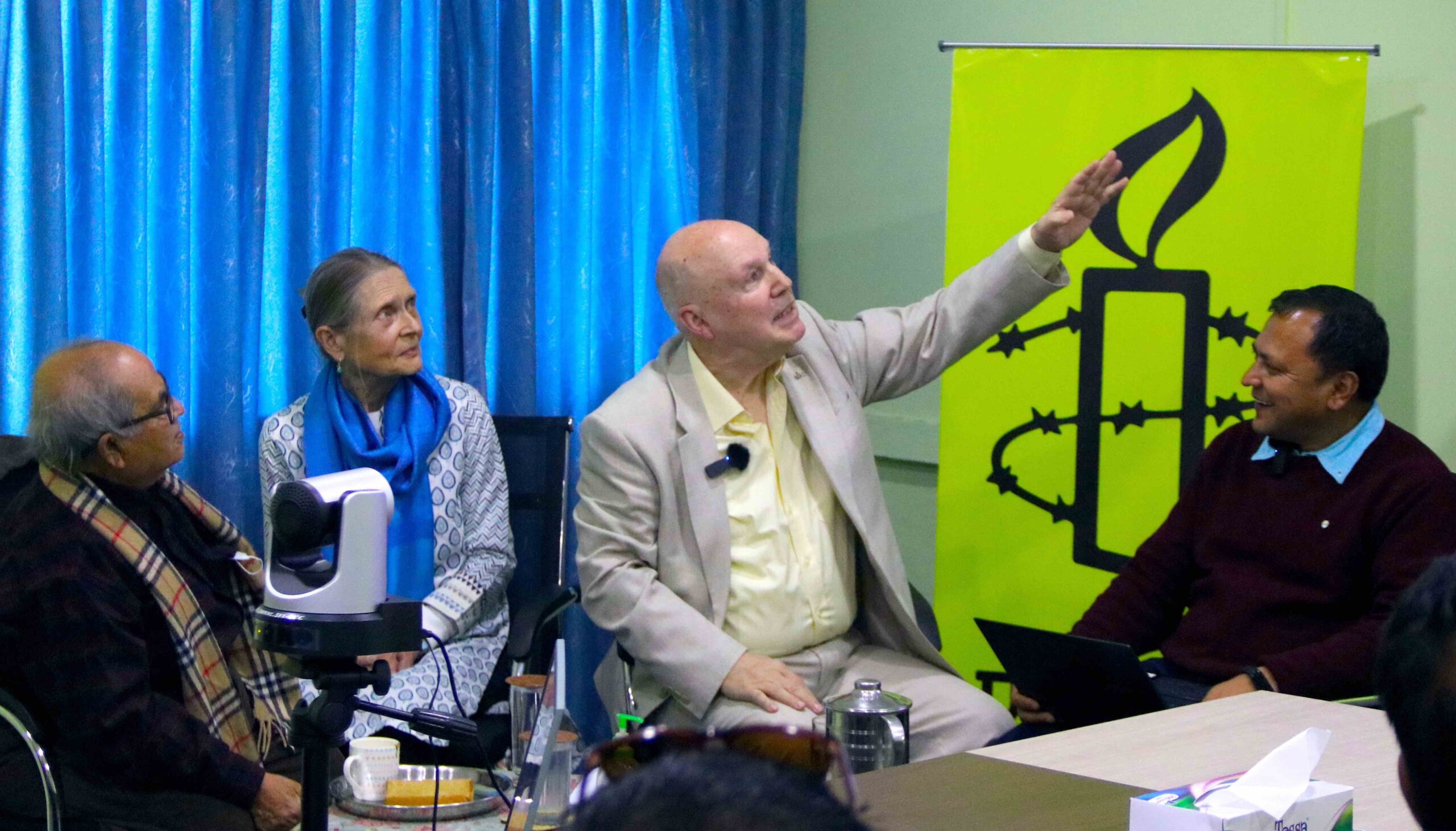
The meeting was surprised when the director of Amnesty International Nepal, Nirajan Thapaliya, called up on the screen this cartoon of Richard being personally assassinated by the Prime Minister at the time, Margaret Thatcher. She was often referred to as “The Iron Lady”.

Richard gave a vivid description of facing hostile questions when Amnesty challenged the British government over the fatal shooting of the three suspects claimed to be planning a bomb attack. The confrontation with the British Government showed that the work of Amnesty International applies to countries and governments in all parts of the world. He said the movement must be willing to stand up for human rights wherever they are violated and face the wrath of those in power.

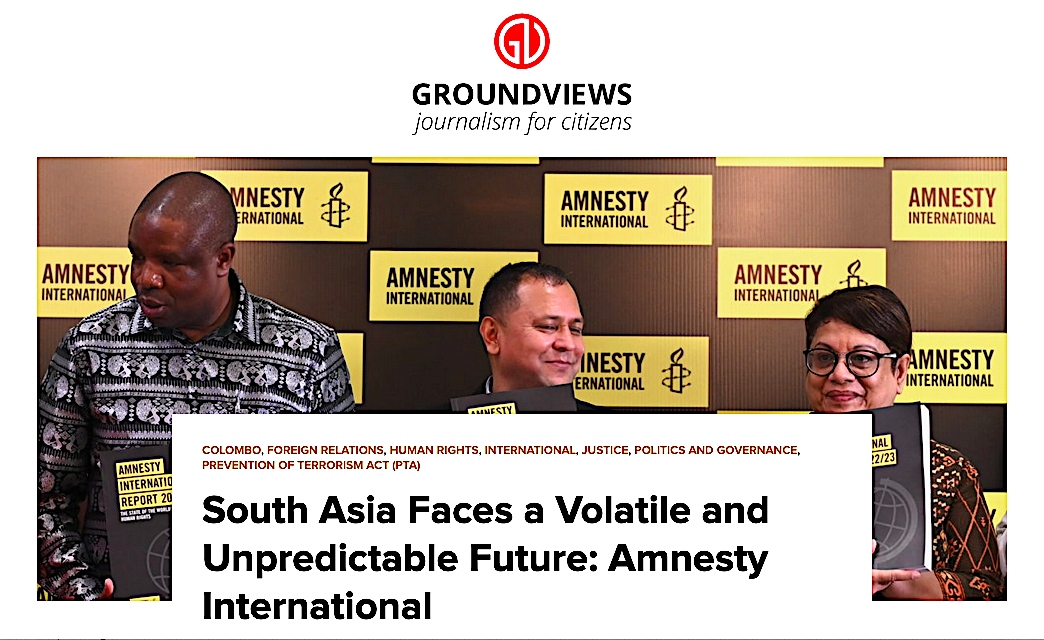
Headline of the independent news, Groundviews – journalism for citizens, reporting on Amnesty International's release of its annual review of human rights worldwide.
This year’s annual report was presented to South Asia media at a special event in Sri Lanka

Amnesty International made headlines in South Asia in March with the release of its annual review of human rights worldwide. “As South Asia sits on the brink of a volatile and unpredictable future, it is important now, more than ever, to keep rights squarely in the centre of all negotiations and conversations,” said Senior Director of Amnesty International, Deprose Muchena, at a launch of the report in Colombo, Sri Lanka – as reported by the independent Groundviews – journalism for citizens.

This perspective came up early on in our “Himalayan Gathering”. Nepal, like so many countries that have emerged from years of war, faces the two-fold challenge of establishing truth and justice for atrocities that happened in the past as well as getting their current governments to act in accordance with the law, the constitution and the promises they have made. These are two of the overarching aspects of the complex human rights dynamic that Nepal faces. This is also true for much of South Asia as a whole, and we also see this pattern in countries worldwide who are dealing with the issues of truth, transitional justice, reconciliation and peace.

The rising generation

A lively question and answer session followed with the many participants who had filled the meeting space in the Kathmandu Amnesty headquarters. They included many members of the rising generation who are thoughtful, inquiring and committed to addressing the many human rights issues in their society. You get a feel for the dynamism of the movement in Nepal and also its increasingly inclusive membership from its website.

A month after our gathering Amnesty International Nepal held its Youth Mela in Besisahar, Lamjung. The theme was ‘Building Bridges, Breaking Barriers: Youths in Action’. The three-day festival focused on facilitating interactive programs centered on significant human rights issues for AI Nepal’s youth members. For the discussion we had during our gathering in March on current issues in Nepal and other challenges being faced by the movement internationally, please view the recording by clicking here.

Richard was accompanied by his wife, Jane Ward, who had also been in Nepal with him in the 1970s. Jane worked for many years in the Office of the Secretary General of Amnesty International with particular responsibility for organizing the International Council Meeting, the movement’s supreme governing body. At the end of the session, both she and Richard were presented with gifts from Amnesty International Nepal – a beautiful silk shawl for Jane and a traditional Dhaka Topi, the distinctive Nepali cap, for Richard. Expressing his thanks and appreciation for everyone, he said, “I feel you have made me an honorary citizen of Nepal!”

Eyewitness Rohingya

I am an eyewitness to the humanitarian catastrophe of the Rohingya people.  They are fleeing for their lives from what they call the “Buddhist Terror”.  I was part of an interfaith delegation that visited them in the refugee camps on the border of Myanmar and Bangladesh. The first short film on this page  is my on-the-spot footage.

I was invited to give an eyewitness report to the Hillary Clinton Center For Women’s Empowerment at Morocco’s Al Ahkawayn University. The university’s mission is to promote  “the values of human solidarity and tolerance”.  You’ll find highlights from the event as well as the full talk, with questions and answers, further down the page.


On-the-spot footage


Eyewitness to the Rohingya: highlights


  • Nothing could be further from the Buddha’s teachings


  • What the children carry


  • Women are speaking out


  • What we can do


  • Did you tell them you were a Buddhist?


  • Your values as a human being


  • Have you lost faith in humanity?


The full Eyewitness report

      Part One: The “Buddhist Terror”

      Part Two:  The Women, Trauma and

                            Controversy

      Part Three: What we can do right now

      Part Four: Questions,  Answers and our

                            Common Humanity

The UN refugee agency at work

I wanted to meet and thank the UN Refugee Agency (UNHCR) for the work they are doing. Luckily, I spotted something in the distance while I was in the camp with my camera. It was such an amazing sight.

Voices of Courage

I sent this hand-written message to children in the Rohingya refugee camps on the Myanmar/Bangladesh border where the UN Refugee Agency is hard at work building makeshift schools out of local bamboo. More than half of the 742,000 people who fled there for their lives from what they call “Buddhist Terror” are of school age and in urgent need of education and support.

It is a grim irony that it was precisely for being a little Buddhist myself, that I faced taunts and harassment in the primary school I attended.

Many fear that this unresolved crisis is a “time-bomb” for devastating future conflict. The young people in the camps, many of them severely traumatised, have witnessed unspeakable horrors.  The possibility of future revenge was very much in my mind when I wrote to them about the need to respect and protect our human family.

There are  Voices of Courage speaking out against the brutal suppression of the Rohingya people in Myanmar — and asking us to help the hundreds of thousands of victims of this humanitarian catastrophe, now under international investigation for genocide.

When I was in the border camps with the survivors of these “killing fields”, the desperate people I met there called this nightmare the “Buddhist Terror.”

I tried to put what I witnessed into words:  Meditating on the Buddha in the Midst of Buddhist Terror .  It has since been published by Lion’s Roar, one of the Buddhist world’s most widely read online journals.

These people’s villages were set on fire. They were shot as they fled. The soldiers threw their babies into the flames. The medical workers in the refugee camps are treating hundreds of women who have been raped and horrifically scarred by sexual cruelty.

Hearing their testimony was so unbearable to me as a Buddhist, my hands were trembling as I tried to hold my camera.

These people want the world to hear their story.

This time there is something we can do

We Buddhists have a special responsibility. We need to raise our voices against these atrocities, and make clear this violence is not being done in our name.  We need to do whatever we can to help the victims.

So often when we see devastating news reports, we have no idea how to help. Our sense of helpless makes the compassionate pain we feel all the more intense. This time, however, there is something we can do.

Continue reading