I recently returned to the Rohingya refugee camps where an estimated 1.1 million people are still trapped on the Bangladesh/Myanmar border. It is the largest refugee camp complex in the world. The vast majority are women and children, survivors of the ethno-religious genocide to which their entire community was subjected in Myanmar.
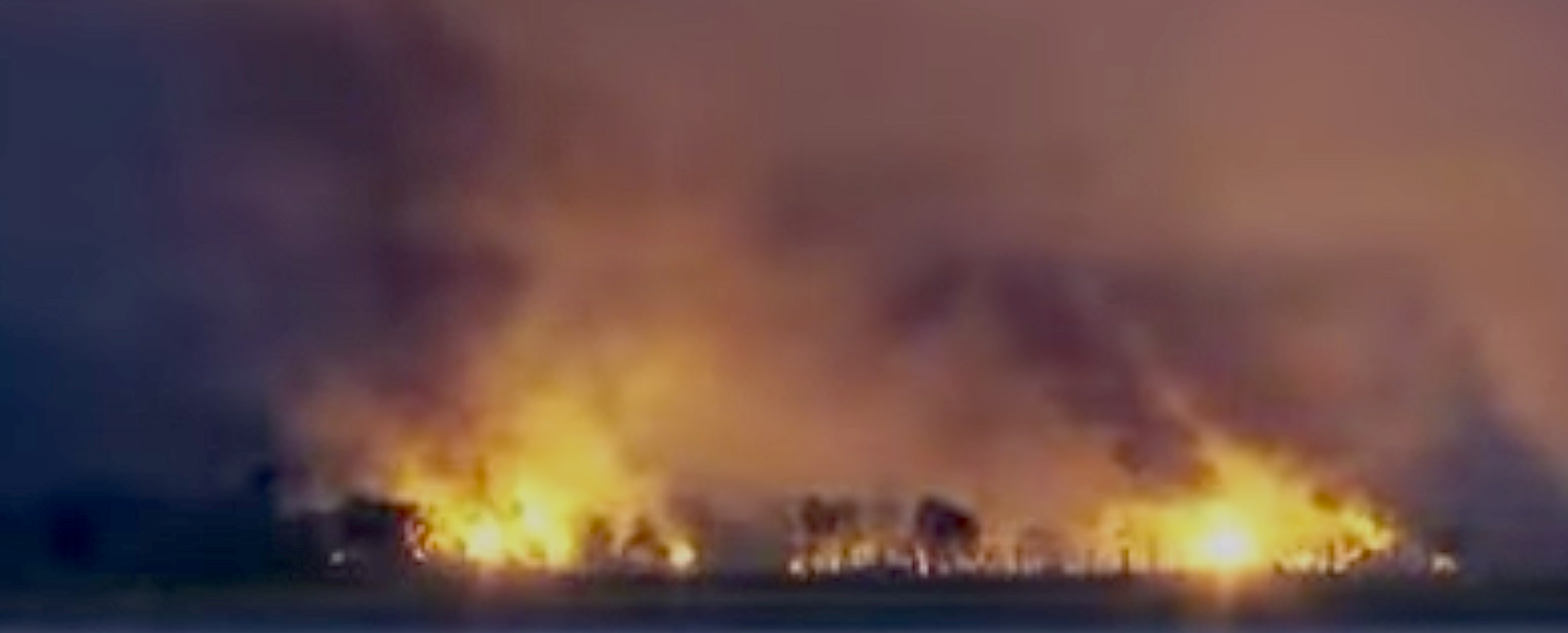
The world watched in horror as hundreds of thousands of Rohingya fled their burning villages and murderous attacks and crossed into Bangladesh seeking safety.
I was last there in 2018 as part of a high-level interfaith delegation, described in EYEWITNESS ROHINGYA on this website.
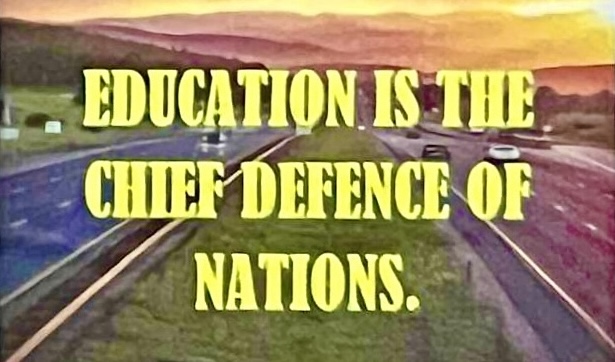
On this trip I was deeply moved by visiting a number of the learning centres that the Rohingya people have been able to create for their young people. My heart was particularly touched by the sign in one of the makeshift classrooms that said, “Education is the Chief Defence of Nations”.
The need to provide a comprehensive program of education for the estimated 500,000 young people in the camps was the principal focus of this visit. It was organized by “Justice for All”, whose insightful Chair, Imam Malik Mujahid, led our six-person mission.
At the end of the visit, we released our report, Rohingya Education: Saving the Third Generation at a news conference in the capital Dhaka.
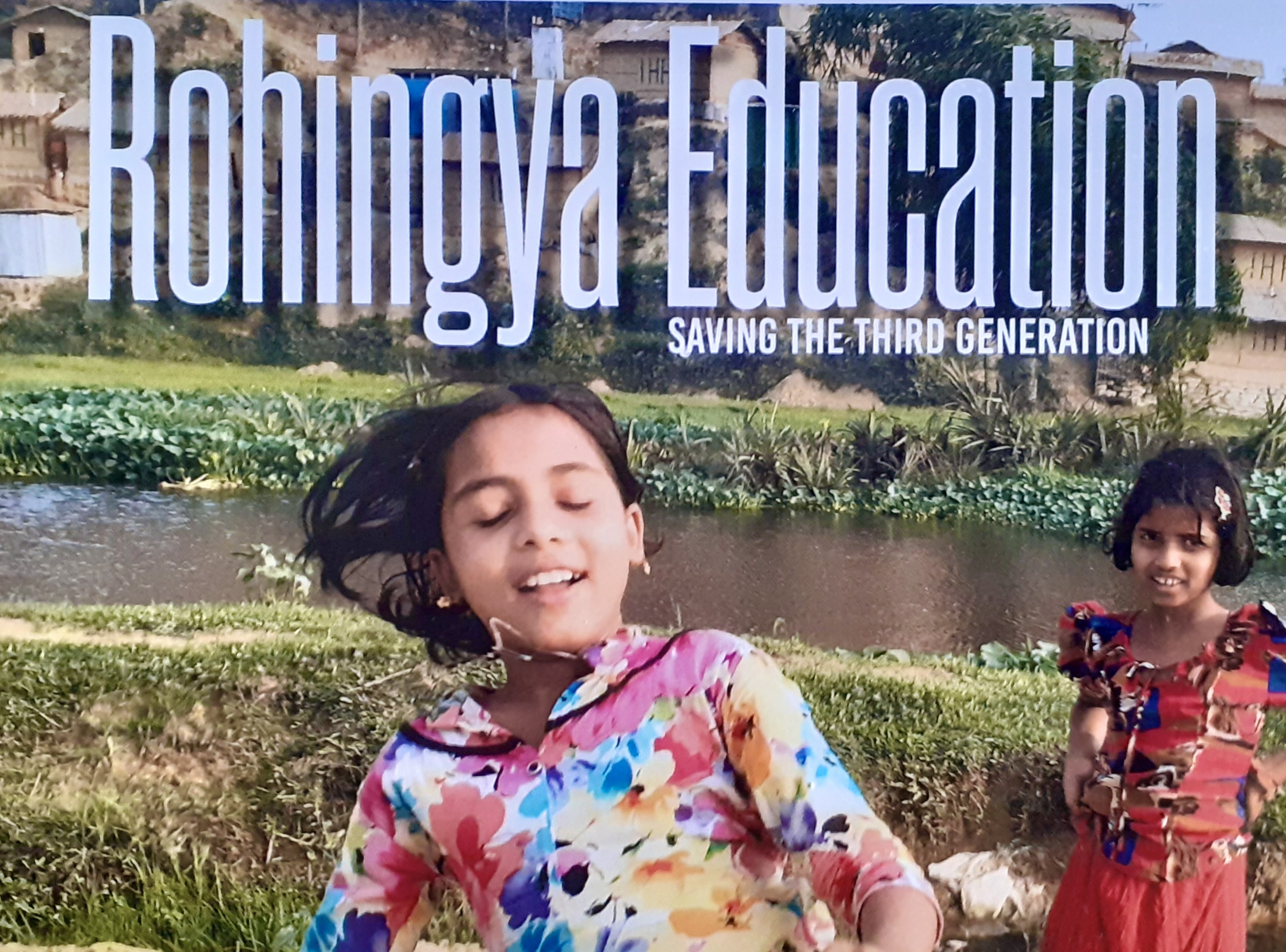
The report calls for a coherent framework for Rohingya education. This will be vital for raising the funds needed and resolving outstanding issues of educational methods and content – as identified in our research. We highlighted the following steps that need to be taken:
a. Strengthening the high school education of Rohingya students in the camps.
b. Allowing Rohingya students to pursue higher education in Bangladeshi universities.
c. Providing an exit pass to those who acquire a scholarship abroad for higher education.
This approach is very much in line with the findings of the United Nations Refugee Agency – the United Nations High Commissioner for Refugees (UNHCR). It is the world’s foremost organization protecting refugees. The agency’s 2025 Education Report states:
Education offers a stable and safe environment for displaced children, helps people to rebuild their communities, and pursue productive, meaningful lives.
Nations are investing more in war than in education, health and peace
Our findings come at a time when nations around the world are investing more in weapons and preparation for war that they are in education, health and peace.
The United Nations made this clear it its recent report, The Security We Need: Rebalancing Military Spending for a Sustainable and Peaceful Future.
With military spending soaring to a record $2.7 trillion following a decade-long military build-up, the UN Secretary General says this is reducing essential investments in health and education and does not guarantee peace.
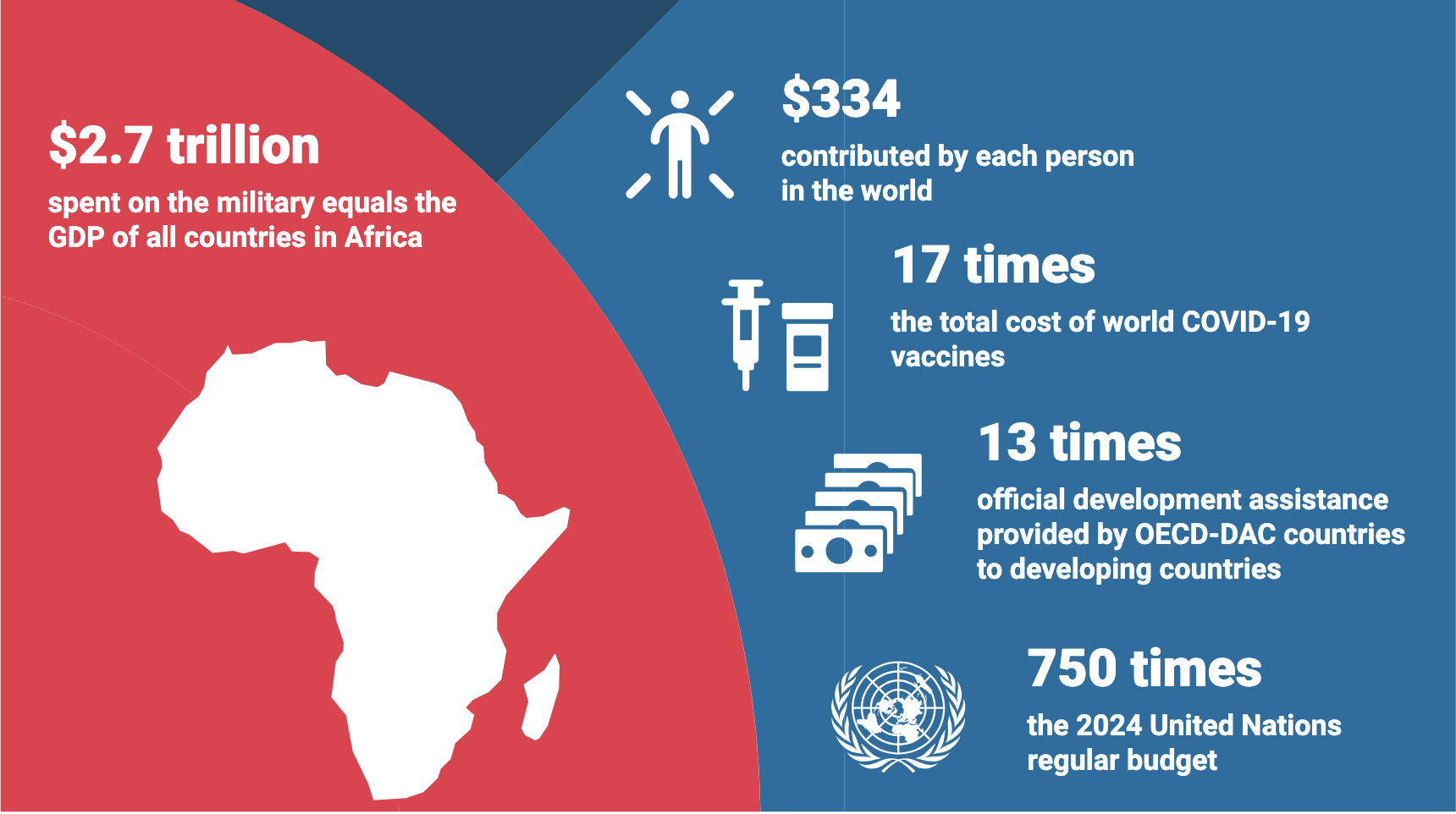
One of the report’s many charts graphically shows the contrast between what the world spends on armaments in comparison to what is spent on vaccines, development assistance and the entire budget of the United Nations.
This is the reality at a time when there are more active armed conflicts in the world than at any time since the end of the Second World War. The Rohingya people are, sadly, not alone in being the victims of genocide, and the country that they were forced to flee is being torn apart by armed conflict.
What we are witnessing around the world – in countries north, south, east and west – is that people’s minds are being poisoned by a rising tide of hatred. We see this even in the world’s entertainment. Movies and social media are feeding an emotional tidal wave of conflict and violence.
Therefore, in these difficult times, it is all the more important that young minds should be well educated. That is essential if we are to turn back the rising tide of hatred and armed conflict, and create a good human society of peace and respect for all people. Families, teachers and spiritual leaders need to work together to change the course of history.
This means that, in addition to the traditional disciplines of academic education, young minds need to be trained to cultivate understanding where there is confusion and conflict, to support mutual respect where there is hatred and division, and bring peace where there is violence, terror and war.
Making it happen
One of the striking features of the “Justice for All” report was that many mothers who were interviewed expressed a strong preference for community-led schools. Many of these parents spoke about the confidence they had in their community’s own schools to educate their children effectively. One of the teachers interviewed said: “the Rohingya teacher always cares for the development of the young generation.”
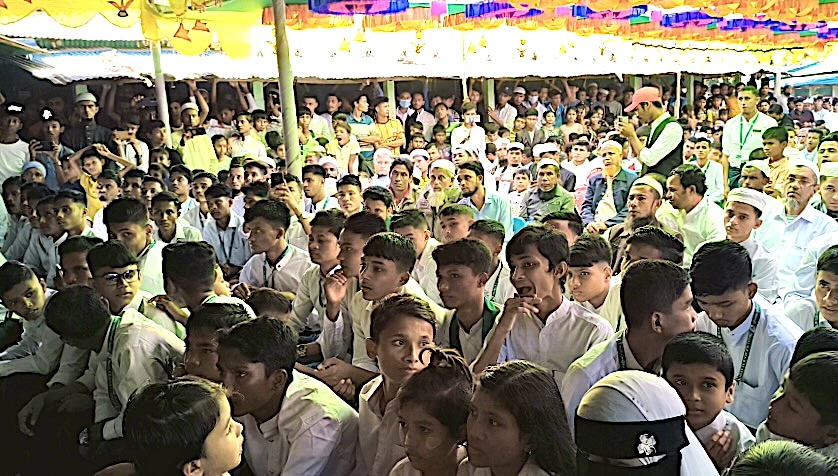
We met a number of the Rohingya teachers in the camps, as well as non-governmental organizations (NGOs) such as the Illiteracy and Poverty Alleviation Assistance Organization (IPAO) and several major international bodies, including UNICEF (the United Nations Children’s Fund) and Save the Children who are also providing humanitarian aid.
I have continued to stay in touch with a number of the people we talked to. What they are accomplishing is a moving testament to the power of human resilience in the face of unimaginable hardship.
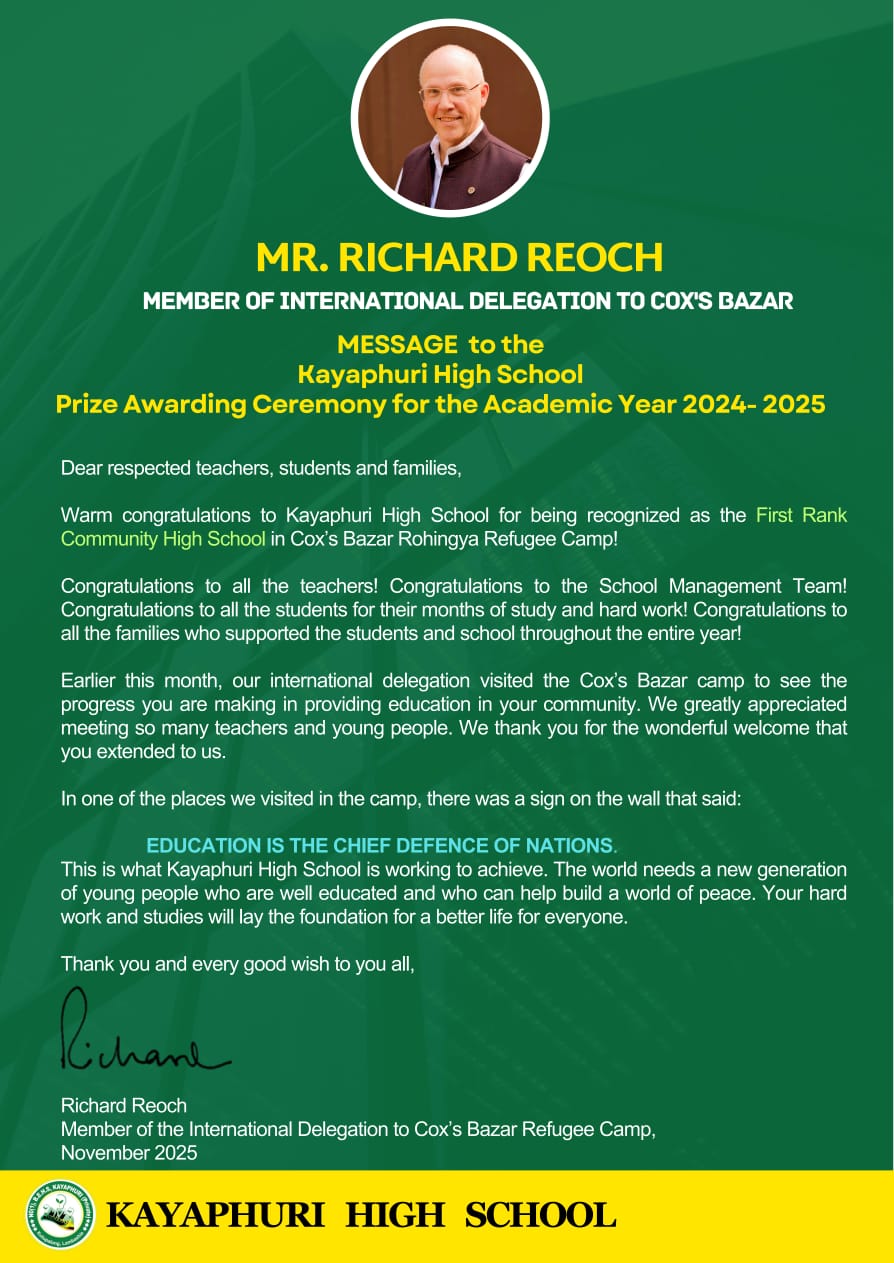
A month after we visited, one of the community education projects in the camps held a Prize Awarding Ceremony for the academic year 2024-2025. I gave personal support to the project and sent them a letter of congratulations. They sent me heart-warming videos and photos from the event.
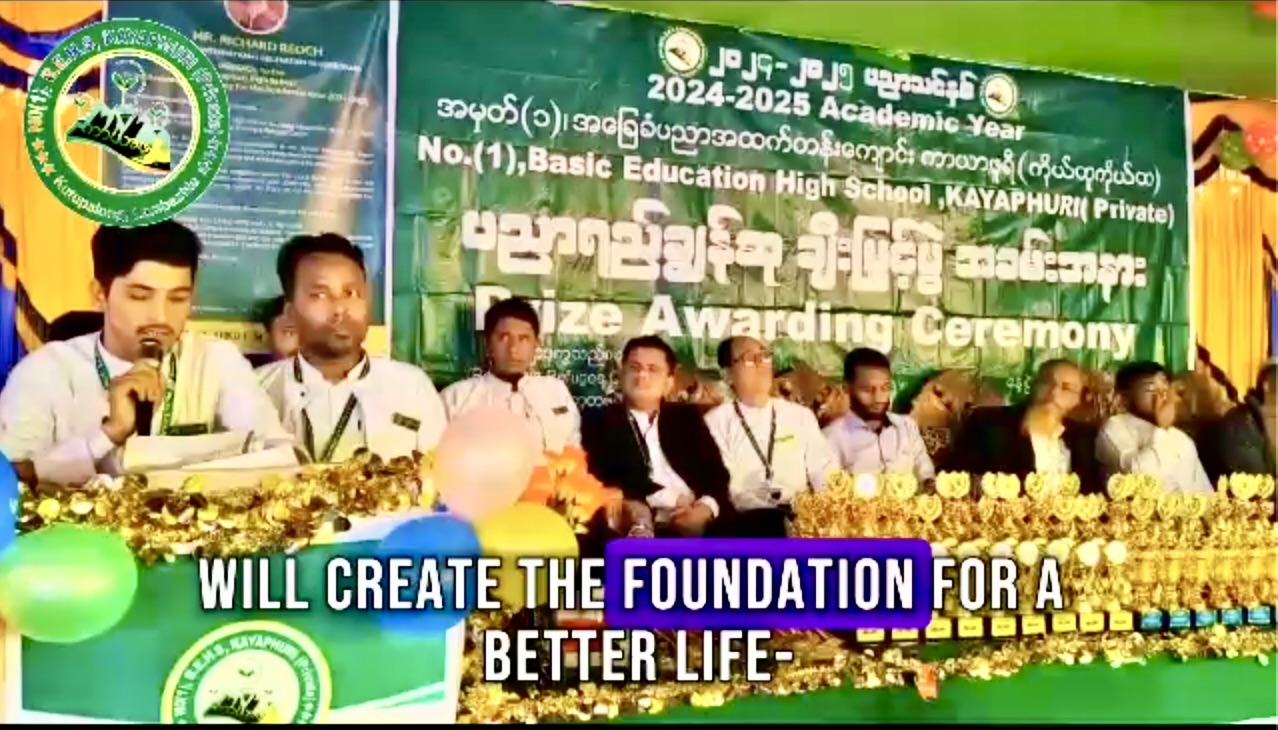
This subtitled video shows some of the many students and their families who gathered together for this huge event. You can see some of the young women and girls in the front row, behind them the boys and, beyond the students, their families.
Much to my amazement, a letter I had written in support of their event was reproduced as a full-size poster and displayed as part of the backdrop on the main stage (you can view it being read out to everyone at the event by one of the teachers in the video above):